Thigiri Haciendas
TYPE
LOCATION
SIZE
YEAR
STATUS
Multi Residential
Nairobi, Kenya
1300 sq. meters
2025
Ongoing
The Thigiri Haciendas are a collaborative project by Studio Mehta Architecture (sm.a) and Object Subject Architecture (O/S)
ABOUT THE PROJECT
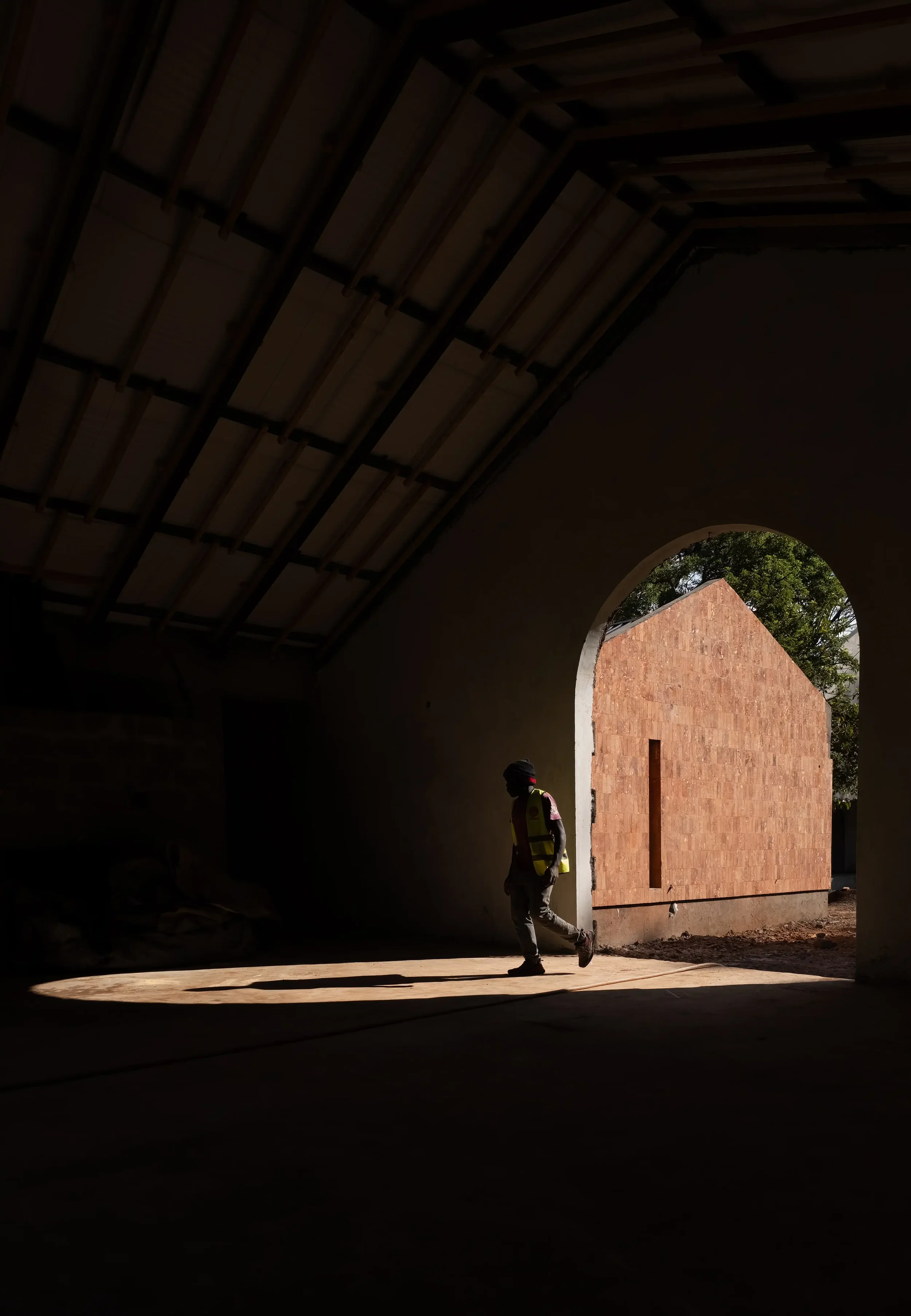
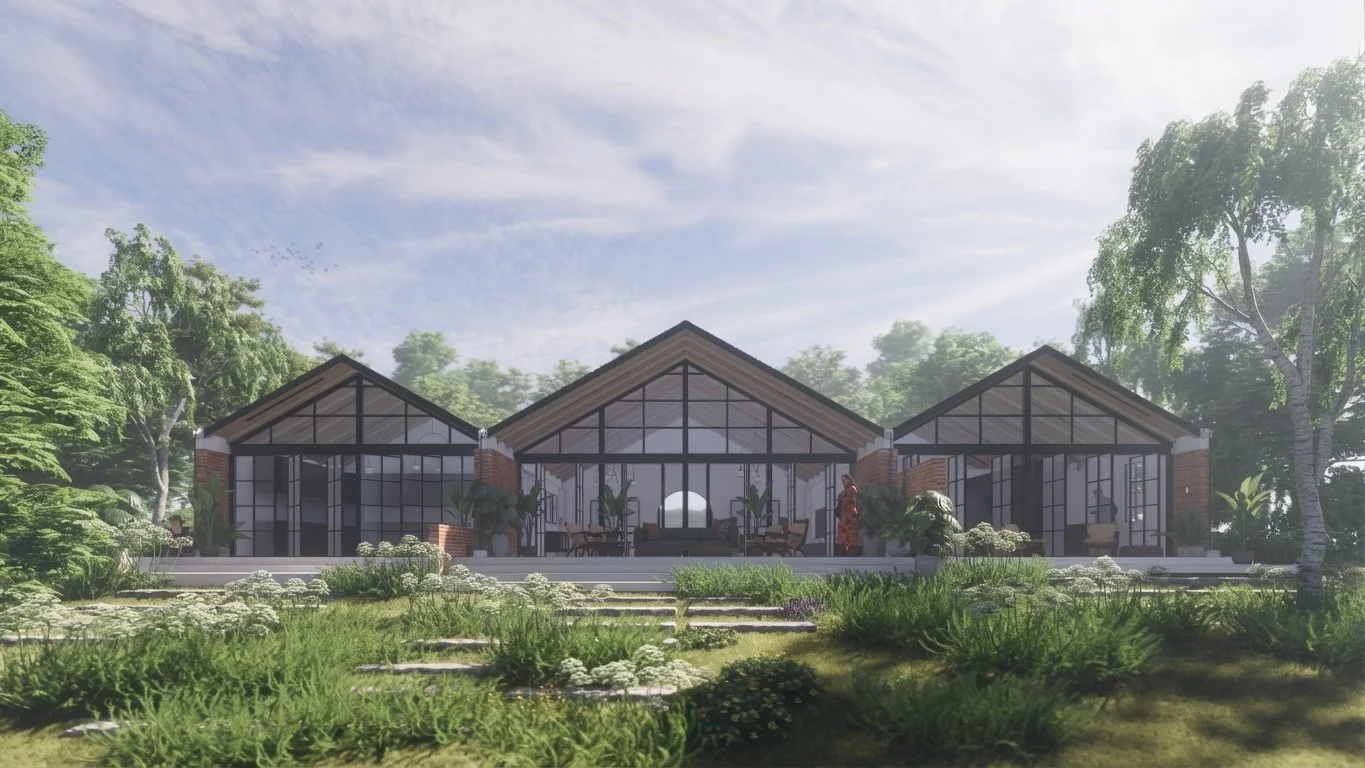
The Thigiri Haciendas are a fraternal pair of homes set within the mature, tree-lined landscape of Thigiri in Nairobi. Rather than imposing a singular object onto the site, the homes are composed as a series of interconnected pavilions that carefully morph around the existing trees. From the outset, the design was guided by a simple principle: the landscape would lead the architecture. As a result, not a single mature tree on the site was removed. The buildings weave between trunks and canopies, allowing the homes to settle naturally into the established garden.
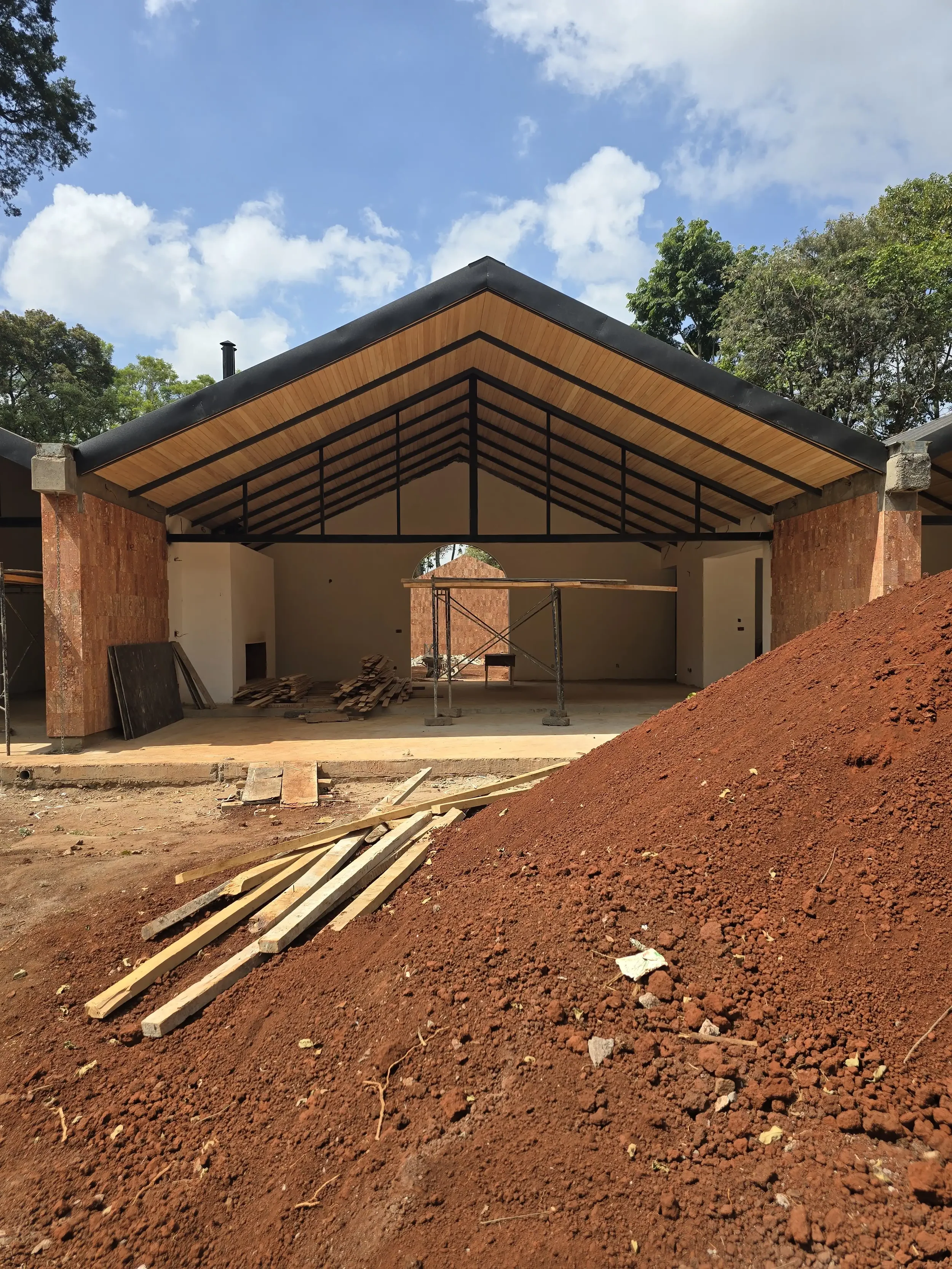
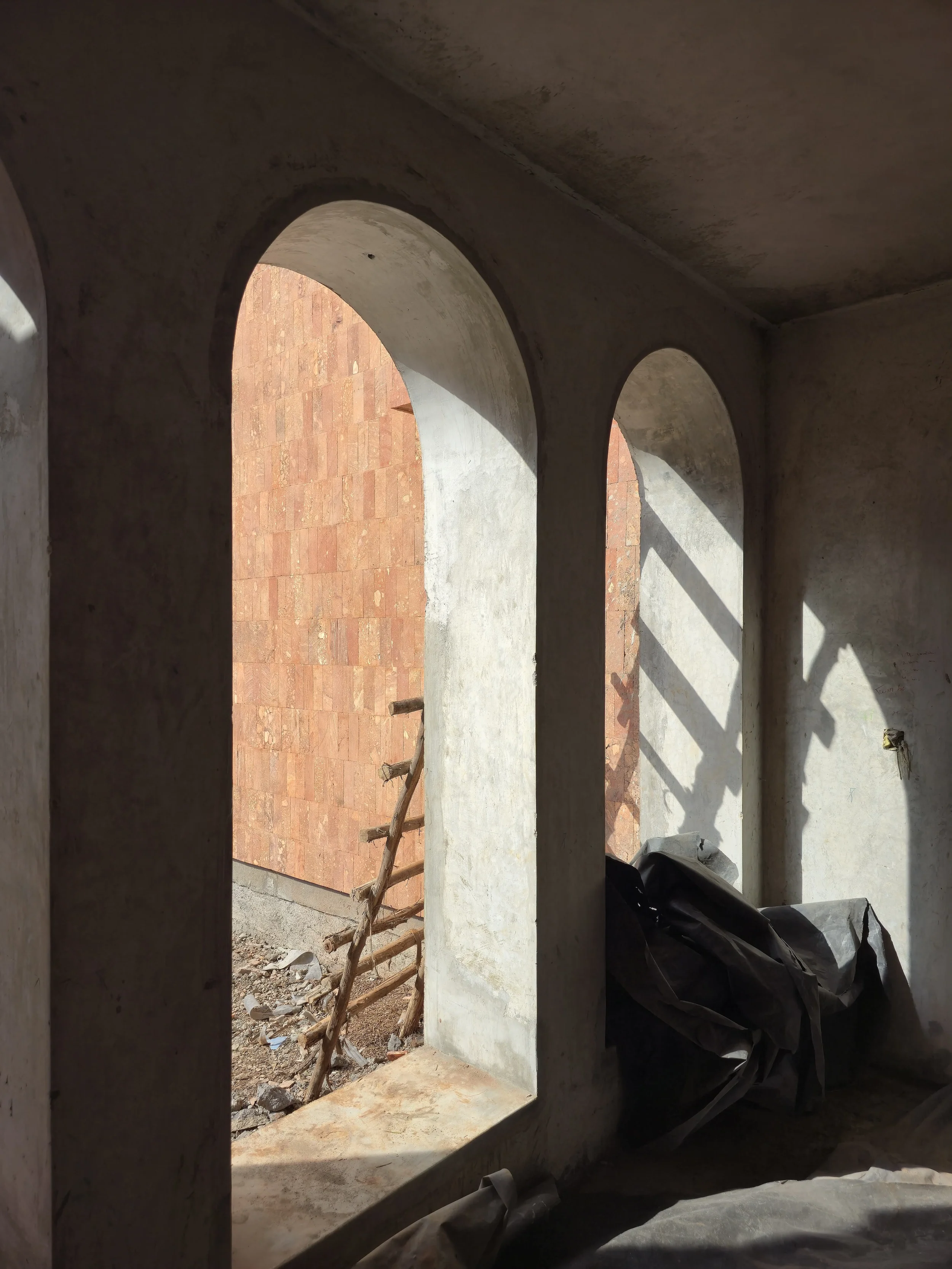
The two residences are designed to exist in quiet dialogue with one another. Their massing and orientation acknowledge shared sightlines and spatial relationships while maintaining a clear sense of independence. Between them, a sequence of courtyards mediates this relationship—spaces that gradually transition from more public zones near the entrances to increasingly private garden rooms deeper within the homes. These courtyards bring light, air, and planting into the centre of the architecture while creating moments of pause and connection between the pavilions.
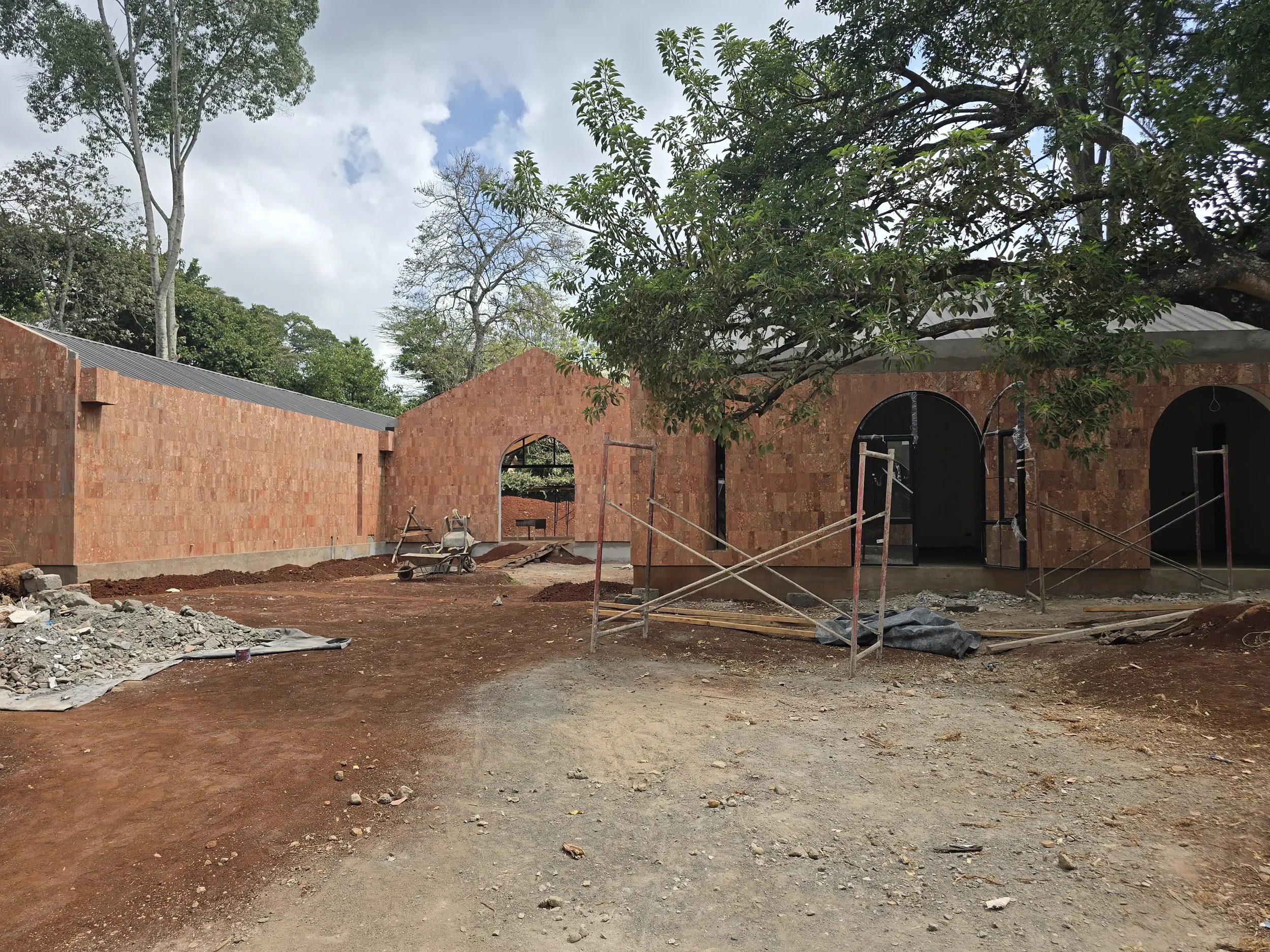
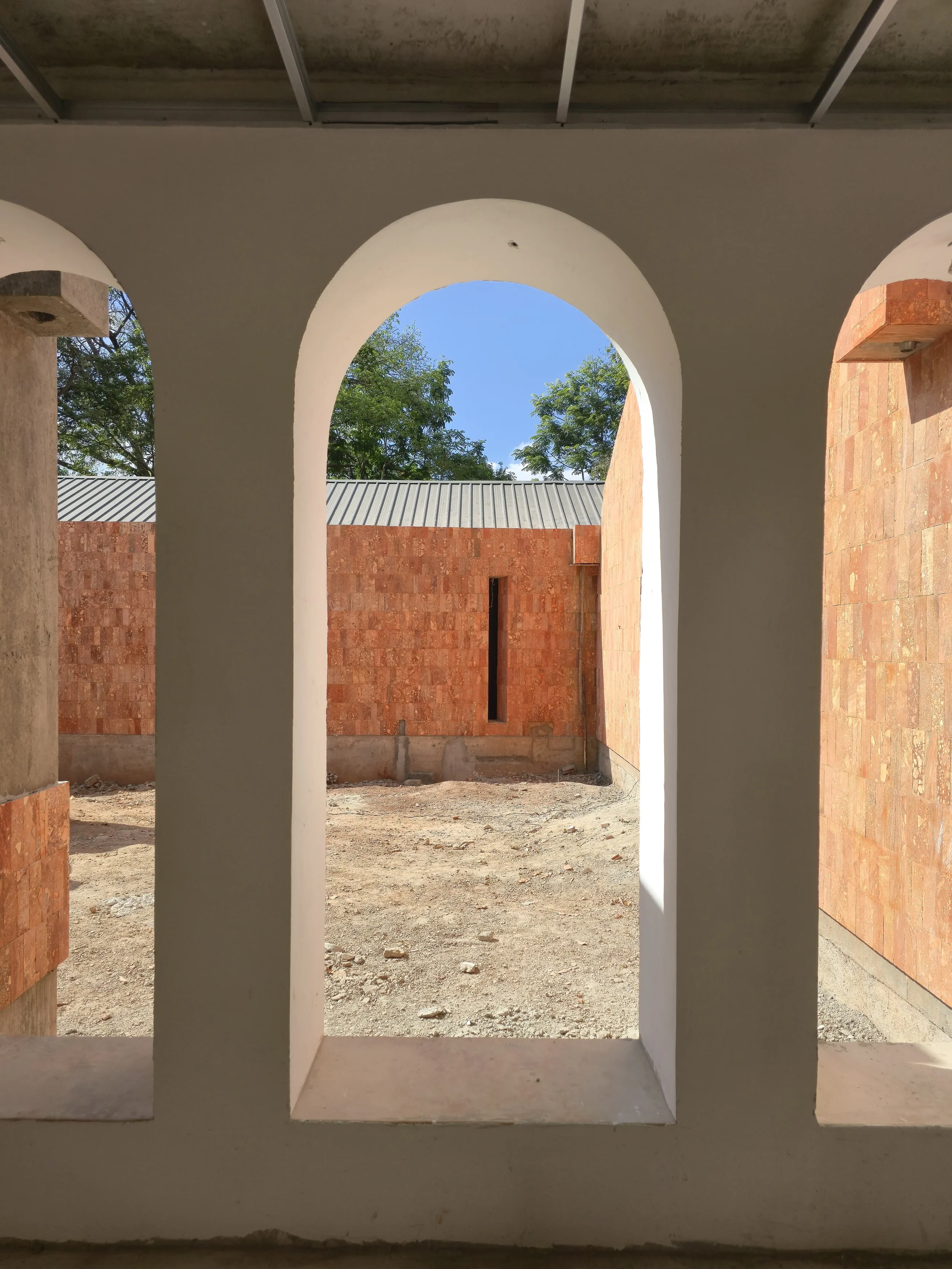
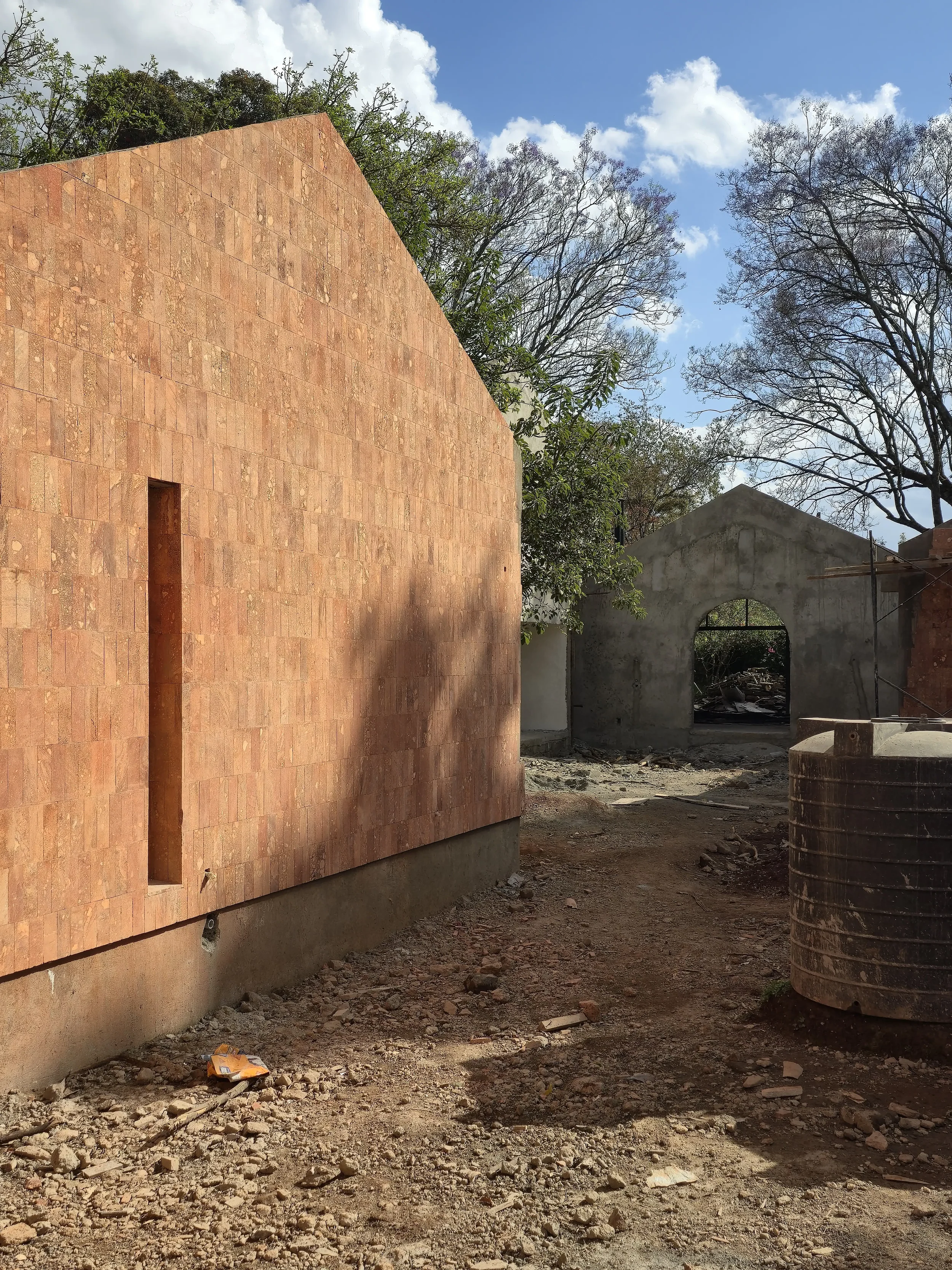
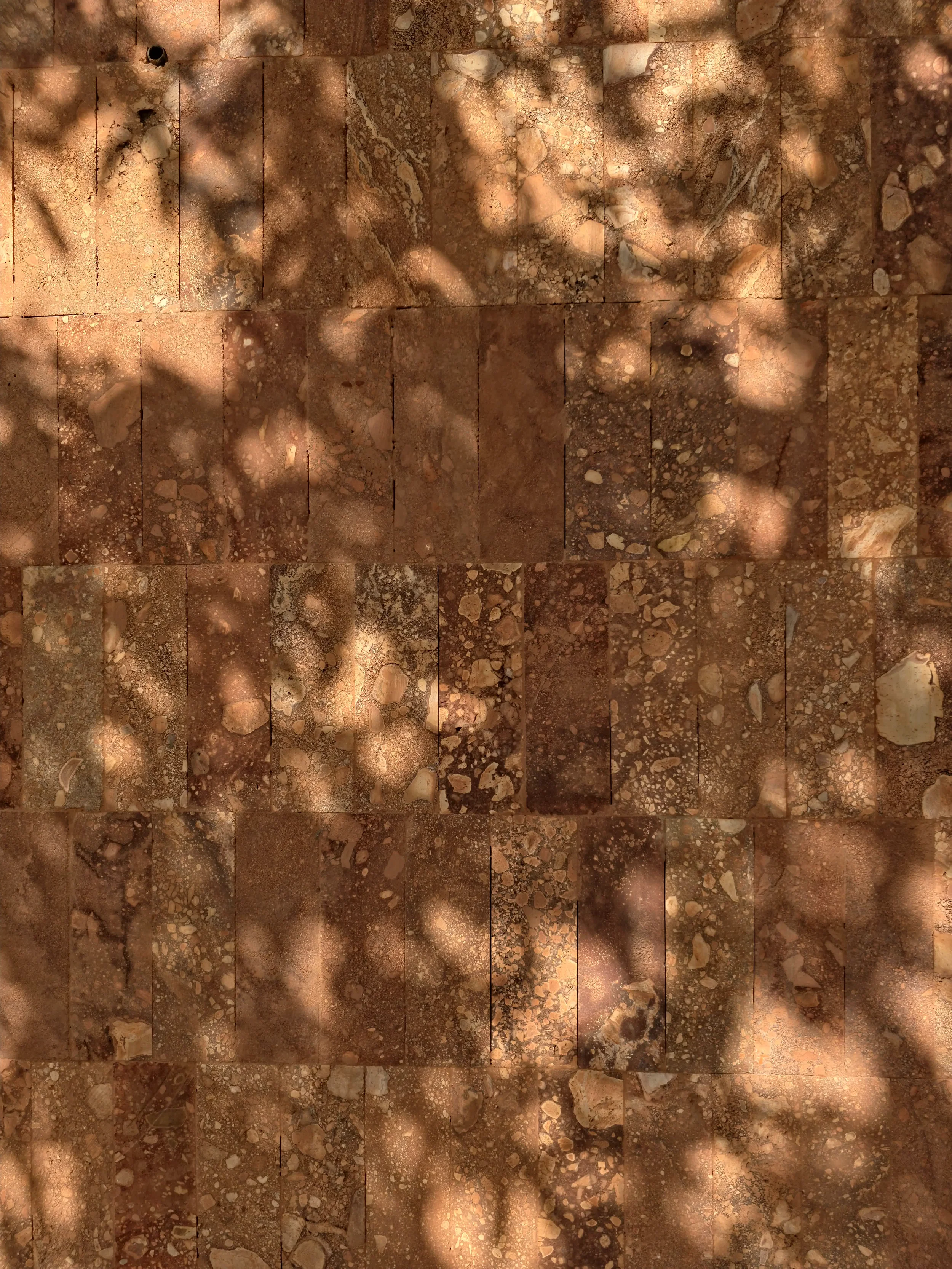
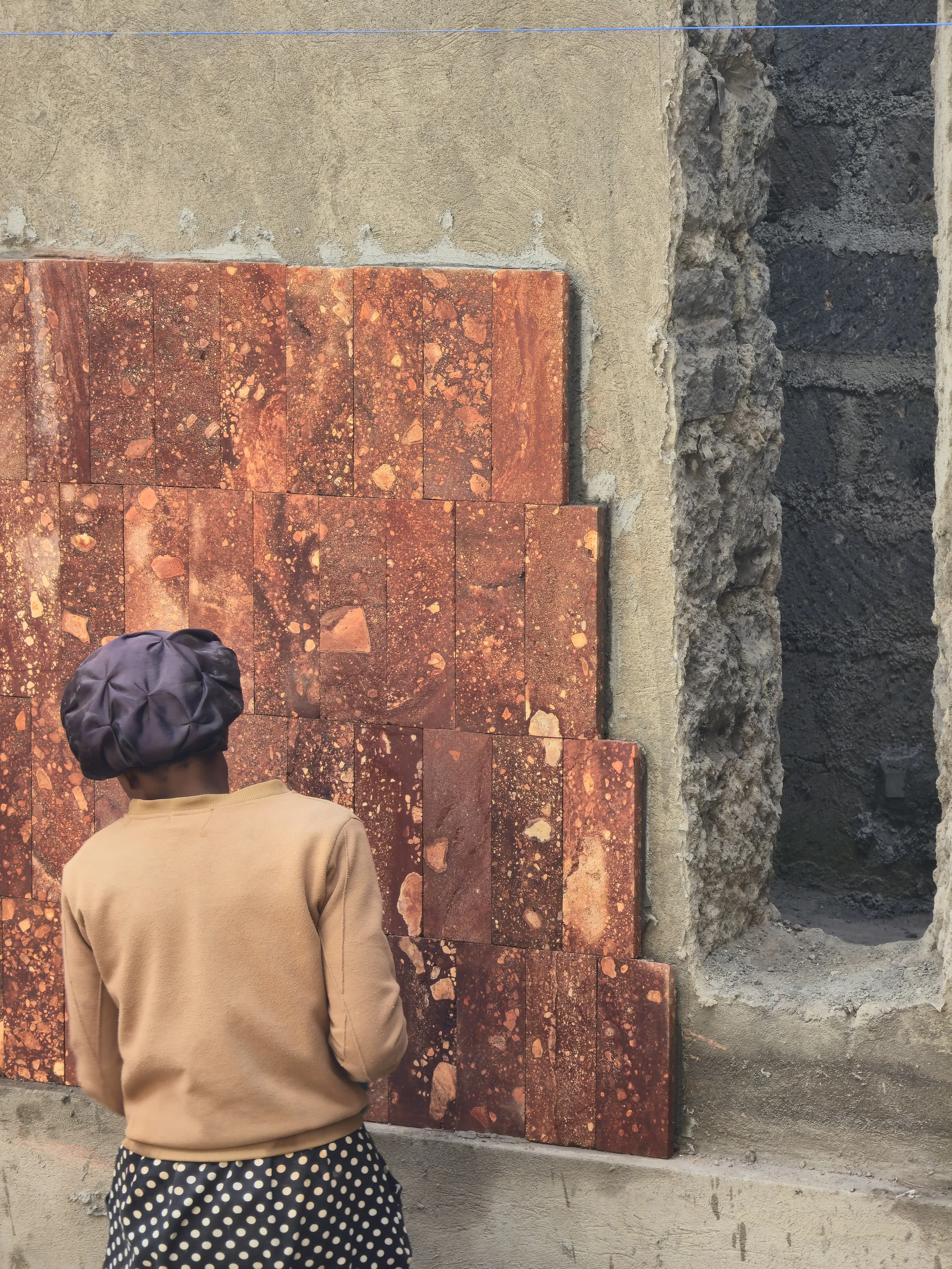
Central to the character of the homes are their monolithic stone walls, which frame and protect the internal spaces. These walls are constructed from red ruby stone sourced from Baringo, a striking yet underrepresented Kenyan material. Rich in colour and variation, each stone carries its own natural markings and geological narrative. When carefully sequenced across the walls of the homes, these individual fragments combine to form a larger architectural language—one that is both deeply local and quietly expressive.
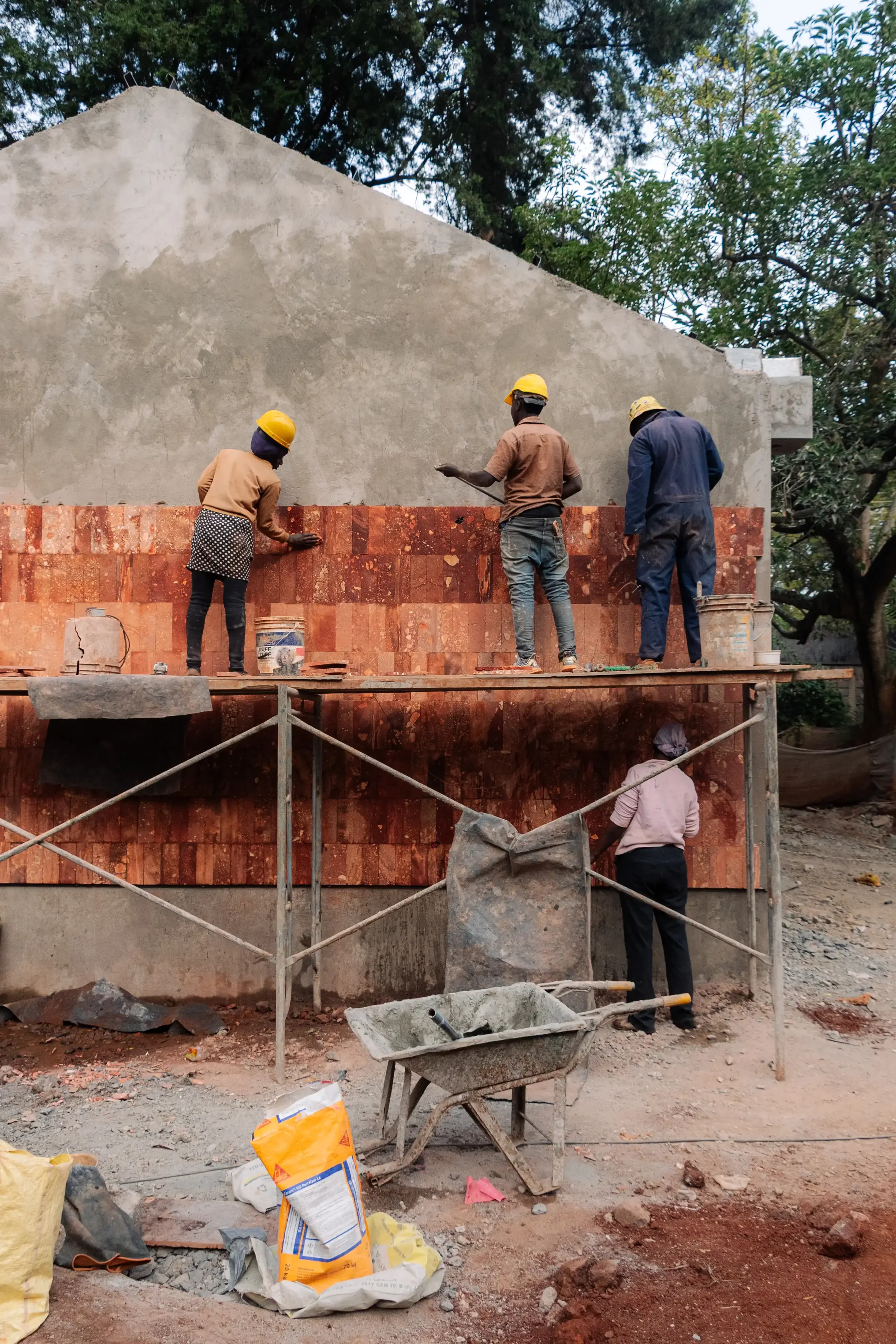
Through this interplay of pavilions, courtyards, and material craft, the Thigiri Haciendas establish a residence that feels rooted in its landscape. The architecture does not dominate the site but grows from it—shaped by trees, framed by stone, and defined by a careful balance between openness and refuge.